
Employee Engagement
Middle Managers: The Silent Architects of Attrition (And How to Fix It)
In India’s fastgrowing IT and retail sectors, a familiar pattern repeats across boardrooms. A firm experiences a spike in resignations, launches a company-wide culture initiative, a

Priyanshu Yadav
Content Writer & AI Research · 8 min read · · Updated

In India’s fast-growing IT and retail sectors, a familiar pattern repeats across boardrooms. A firm experiences a spike in resignations, launches a company-wide culture initiative, and wonders why the numbers remain unchanged. The issue is rarely the office perks or the remote-work policy. It is the layer of the organization that bridges strategy and execution: the middle manager. In India's talent-hungry economy, a 1% reduction in attrition can save a large enterprise from expensive replacement costs. When we look at why people leave, they are usually not quitting the company; they are quitting the person who manages their daily reality.
The Invisible Pressure on Middle Management
Middle managers in India often operate as the "shock absorbers" of the organization. They are expected to translate high-level executive directives into daily tasks while simultaneously managing the emotional needs of their teams. This dual role creates a quiet, persistent strain. Just 48% of managers feel they have the right skills to excel in their current roles, and 75% feel overwhelmed with the complexity of their responsibilities.
When managers are overwhelmed, the first casualty is connection. The regular check-ins, the recognition of small wins, and the clear communication of career paths—these are the things that actually reduce employee attrition in India—are often dropped in favor of "getting the work done." If a manager is too exhausted to support their team, the team feels neglected, and resignation letters follow.
Why Management Development Programs Often Fail
Many companies attempt to fix this with generic training. They send managers to two-day workshops, check a compliance box, and expect a change in behavior. This rarely works because it treats management as a theoretical skill rather than an operational one. Management is a daily practice, not a seminar.
A common observation is that senior leaders need to be more present and connected to their middle managers, not only to learn what they need and to keep a pulse on the broader team, but also to actively mentor. Without this active mentorship, managers are left to guess what "good" looks like. They end up replicating the same high-pressure, low-support environments they were subjected to, creating a cycle of burnout that cascades down the org chart.
A Managerial Accountability Framework
To move beyond theory, organizations must adopt a structured approach to management. This framework ensures that support is not left to chance.
Focus AreaOperational ActionExpected OutcomeVisibilityWeekly review of team health metricsEarly identification of burnoutAlignmentMonthly goal-sync sessionsReduced role ambiguityDevelopmentQuarterly stay-interview check-insHigher internal mobilityAccountabilityManager-level retention scorecardsConsistent leadership quality
Operationalizing Support with Data
Success in retention is not about more meetings; it is about better visibility. When a manager can see the RACI Dashboard for their team, they stop guessing who is responsible for what. When Synergy aligns individual goals with company outcomes, employees stop feeling like their work is invisible.
A process that depends on one person remembering to check on their team is not really a process yet. To effectively reduce employee attrition in India, HR must provide tools that make support the default. This is where a modern HRMS software India teams use can change the math.
For instance, consider a manager using Human Maximizer’s managerial insight tools. Instead of monitoring activity, they look at milestone progression. If a high-performer has gone three weeks without a completed task or a 1:1, the dashboard highlights this gap. The manager is alerted to a potential risk before the employee has even updated their resume. This allows for a "stay interview"—asking questions like, "What is the one thing blocking your progress this week?" or "Do you feel your current project aligns with your long-term career goals?"—that focuses on clearing roadblocks rather than questioning performance.
When Support Features Have Limits
While technology provides the visibility needed to intervene, it cannot replace human judgment.
When a pattern is ambiguous: A drop in productivity might signal burnout, but it could also be a personal crisis or a technical blocker. Never rely on an automated flag as the sole basis for a disciplinary conversation; always start with an open-ended, human-to-human check-in.
When the issue is compensation: Data tools can identify an engagement gap, but they cannot solve a market-rate salary discrepancy. If an employee is consistently underpaid, HR must address the compensation structure directly rather than relying on the manager to "motivate" the employee to ignore the gap.
When legal or POSH concerns arise: If the attrition risk is linked to workplace harassment, automation features should not be the primary diagnostic. These situations require immediate escalation to your internal POSH committee, following Ministry of Women and Child Development guidelines, and professional legal consultation. Our platform acts as a safety net for operational health, but it is never a substitute for the mandatory compliance protocols required under the Factories Act 1948 or the Code on Wages 2019.
FAQ
How do we accurately measure if our middle manager training is working? Don't measure training completion rates; measure the change in manager-to-employee interaction metrics. Look for improvements in 1:1 meeting frequency, the volume of positive feedback shared, and internal mobility rates within those specific teams.
Is it possible to predict who will leave before they start interviewing? Yes, to an extent. Deloitte’s insights on employee engagement suggest that engagement patterns—such as a decline in peer collaboration, reduced participation in team chats, and missed performance milestones—often precede resignation by several weeks, giving HR a window to intervene.
What is the single most important step for reducing staff turnover in the next quarter? Stop treating retention as an HR task and start treating it as a management accountability. Equip your managers with the data they need to see their team's health daily, and hold them accountable for that health, not just for the output of their deliverables.
Closing Thoughts
If you rely on exit interviews to tell you why people are leaving, you are already months too late. The cost of replacing a mid-level professional—factoring in recruitment fees, lost institutional knowledge, and the inevitable dip in team morale—is often hidden until it is too late to act. By the time leadership hears about the problem, the exit process is already in motion.
The most stable organizations in India are those that have stopped viewing attrition as an inevitable cost of doing business. They have empowered their middle managers with the tools to spot the early warning signs of disengagement and the support to act on them. If you are ready to stop guessing and start managing your team's health with precision, book a 15-min Human Maximizer demo to see how our platform identifies early burnout risks before they become resignations.
About the Author & Reviewers
Priyanshu yadav — content writer and researcher, Human Maximizer (Razor Infotech)
Priyanshu Yadav writes on HR, people operations and HR technology for Human Maximizer, turning workplace research and Indian compliance updates into clear, practical guidance for growing teams.
Connect on LinkedIn
Reviewed & approved by Sameer Hameed — Founder & Chairman, Razor Infotech
Sameer Hameed is the Founder & Chairman of Razor Infotech, where he is guiding the creation of Human Maximizer. An entrepreneur across technology, real estate, mining and travel, he builds organisations on clarity, trust and responsible growth — on the belief that businesses grow only when the people behind them grow.
Connect on LinkedIn
Reviewed & approved by Nishant Tandon — Co-founder & Lead Partner, Razor Infotech
Nishant Tandon is Co-founder and Lead Partner at Razor Infotech, with over a decade in IT, customer support and business operations, helping SMEs achieve cost efficiency, stronger customer experience and scalable, sustainable growth.
Connect on LinkedIn
Human Maximizer is built by Razor Infotech in New Delhi, India (founded 2019). About Human Maximizer.
Keep reading
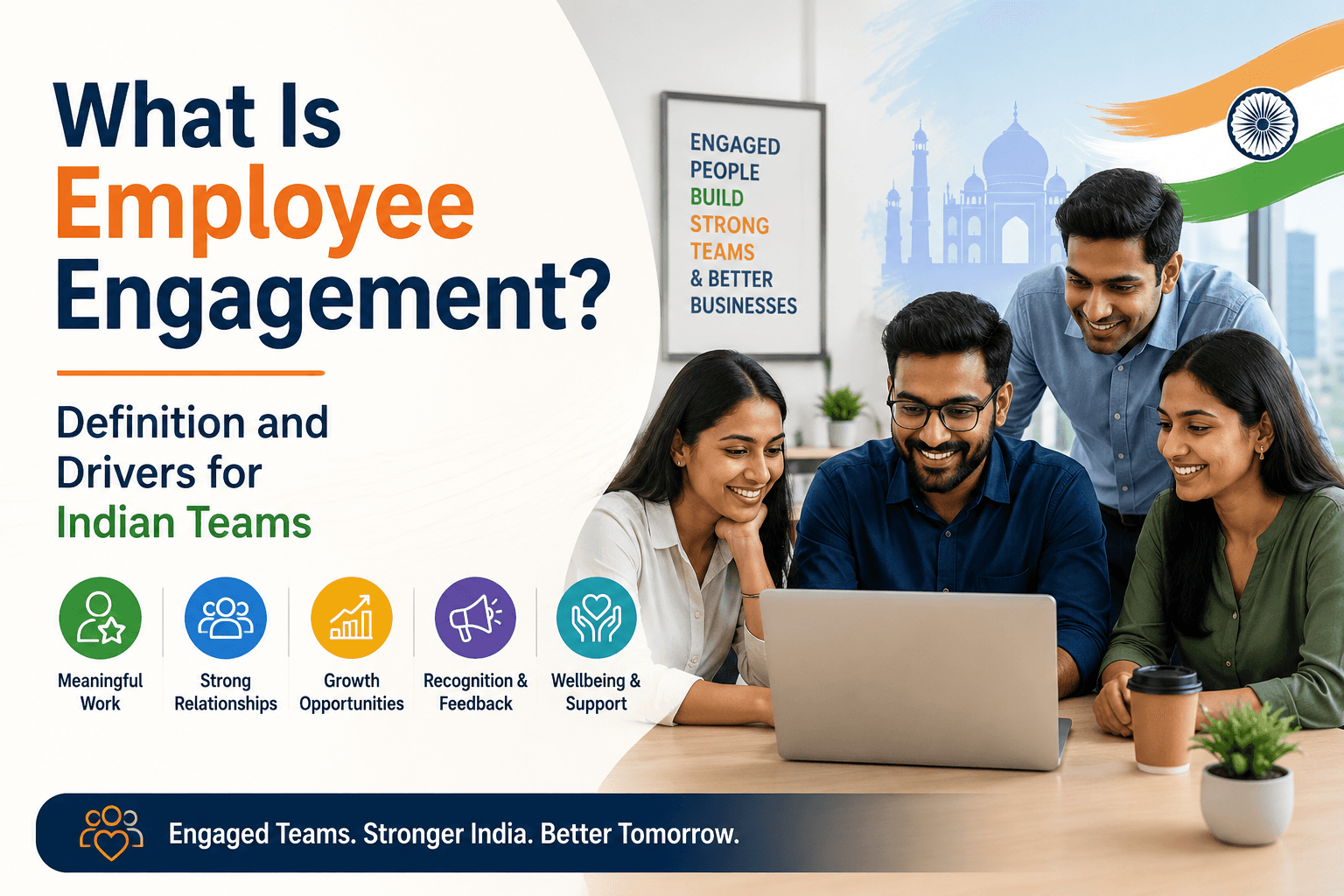
Employee Engagement
What Is Employee Engagement? Definition and Drivers for Indian Teams
India's employee engagement rate hit a four-year low in 2025. This guide explains what engagement actually means, why satisfaction is not the same thing, and the five cultural drivers that move the needle in Indian companies.
5 min read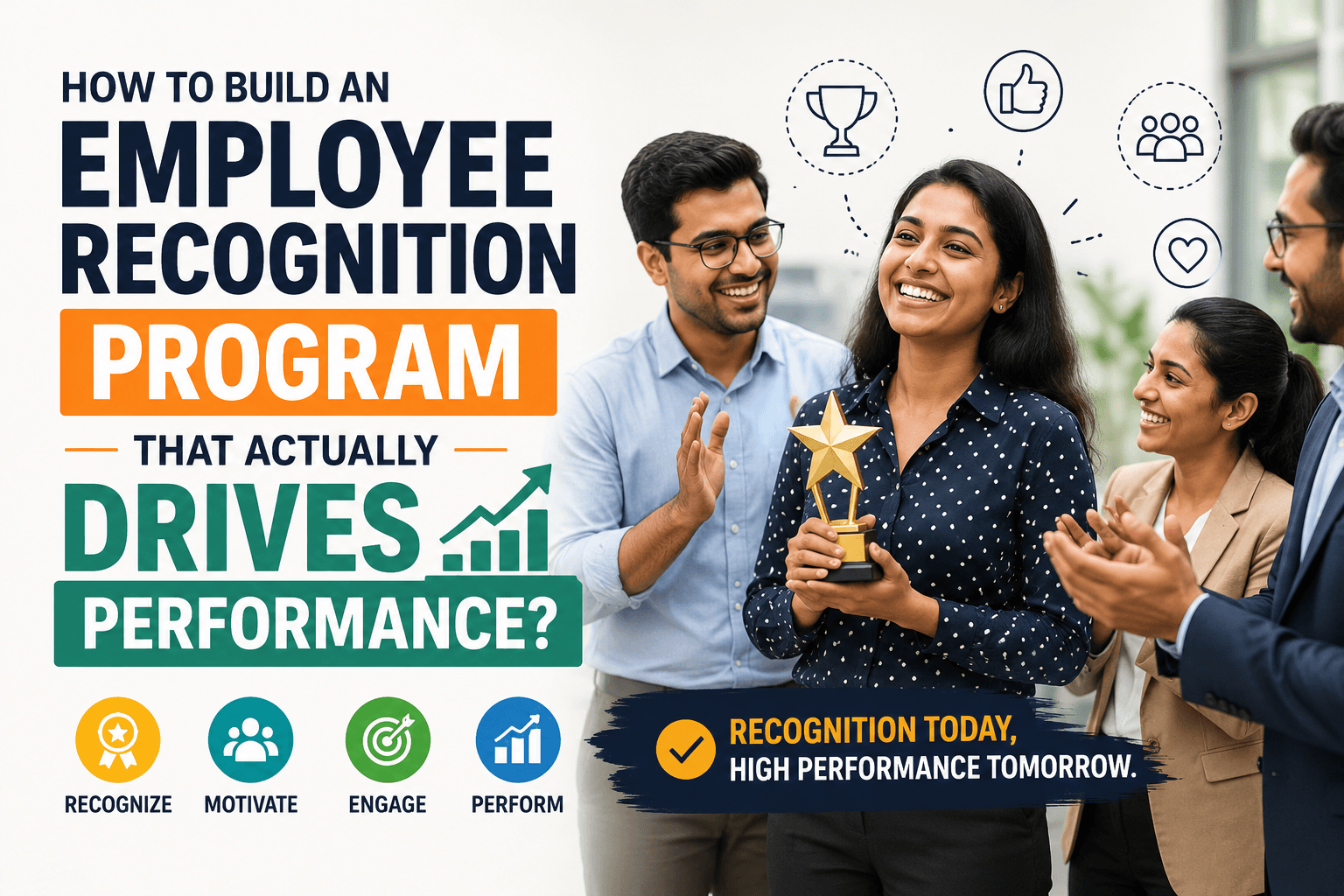
Employee Engagement
How to Build an Employee Recognition Program That Actually Drives Performance?
Struggling with employee engagement? Learn how to design a rewards and recognition program that strengthens culture, motivation, and measurable performance.
5 min read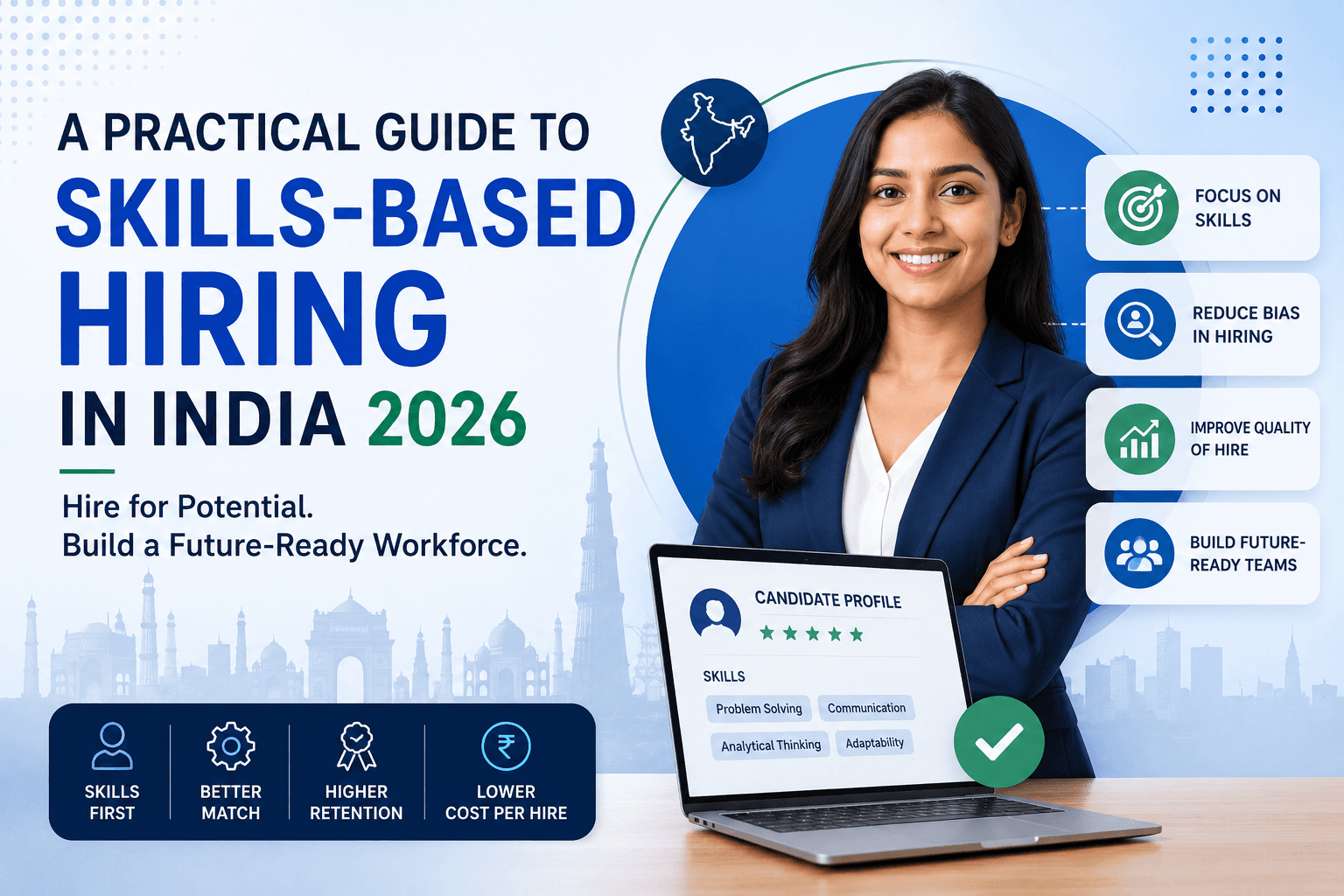
Employee Engagement
A Practical Guide to Skills-Based Hiring in India 2026
How to hire on demonstrated skill instead of degree and pedigree — scorecards, structured tasks, and interview changes that hold up in India.
5 min read