
HR Strategy
Fix Broken HR Processes Before Automating: A Guide
Automating a broken process only makes the mess faster. How to audit HR workflows, find where automation leaks, and fix the process first.

MD Moinuddin
HR Content & Research, Human Maximizer · 9 min read · · Updated
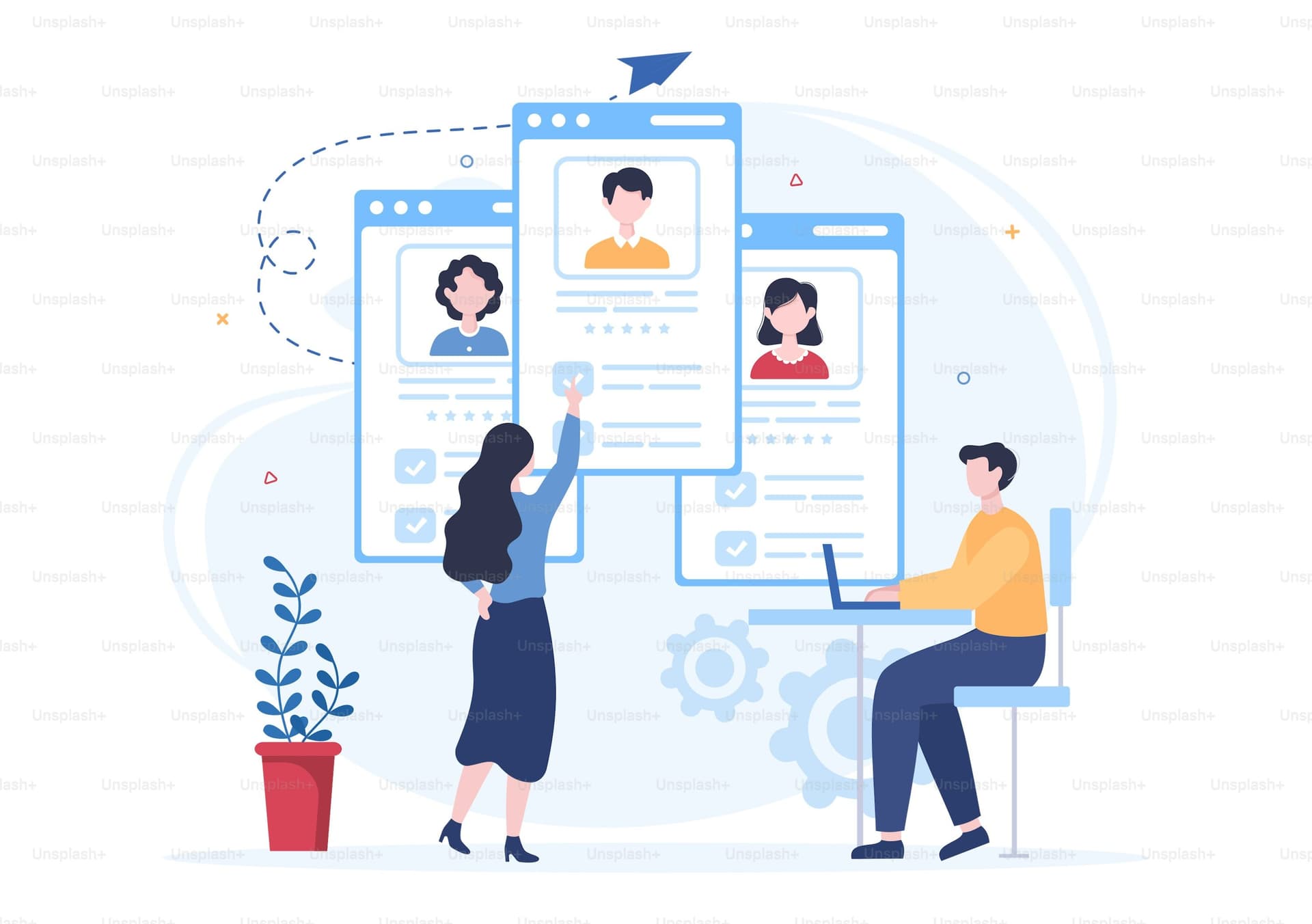
In Coimbatore’s textile manufacturing sector, a pattern is becoming familiar. A mid-sized mill, pressured by shifting export deadlines, deploys a sophisticated digital attendance system to capture real-time floor data. Six months later, the software shows perfect compliance, yet the payroll team still spends four days every month manually reconciling shift logs because the floor managers keep overriding the system via WhatsApp. The automation is running, but the underlying process is still being bypassed.
The insight here is simple: digitizing a broken process does not create efficiency; it only creates a faster way to generate bad data. Before you introduce HR process automation, you must confront the reality that software cannot fix a lack of operational discipline.
The Cost of Pre-Digital Friction
When we talk to HR teams, we often find that the "administrative burden" they complain about is actually a series of informal workarounds that have become standard operating procedure. A process that relies on a manager "remembering" to notify payroll or an employee "pinging" HR for a leave update is not a workflow—it is a dependency on human memory.
As outlined in the process engineering framework for operational excellence, you must first discover how the process actually works, standardize it into a repeatable version, and remove bottlenecks before you ever consider a line of code. If you skip these steps, you are simply mapping chaos onto a screen.
The hidden cost is rarely the task itself; it is the manual clean-up that happens in the shadows. When your Leave Management relies on email threads rather than a centralized request system, the "cost" includes the lost time spent reconciling the discrepancies between the email and the final payroll file.
Why Automation Leaks
Automation does not fail with a loud crash; it leaks. It fails through three distinct modes of friction:
- The Shadow Process: This occurs when the digital path is slower or more cumbersome than the "quick" workaround. If a manager finds it easier to approve an Attendance Management correction over a phone call than through the official portal, they will ignore the software. The system then records nothing, or worse, it records the wrong thing.
- The Orphaned Step: This is a task that has no clear owner in the digital sequence. If a new hire’s Recruitment & Onboarding checklist includes an IT asset request, but the system does not ping the specific IT manager, the task sits in limbo. Everyone assumes someone else is handling it.
- Data Drift: This is the gradual decay of data accuracy over time. It happens when records are not reconciled on a set schedule. If your Payroll software is running on employee records that have not been updated for a salary revision or a department change, the output is technically accurate but functionally wrong.
The Operational Audit
Before you look for an HRMS implementation strategy, you need to map your current state. Use the following framework to audit your processes before digitizing them.
Process Audit Checklist
| Step | Action | Goal |
|---|---|---|
| 1. Map | Document every touchpoint in a process (e.g., Leave Request). | Identify "hidden" manual steps. |
| 2. Pre-flight | Does this process require a physical signature that is not legally digitized yet? | Ensure legal validity before moving online. |
| 3. Standardize | Remove redundant approvals or "informal" checks. | Create a single, clean path. |
| 4. Validate | Run the new process manually for one cycle. | Ensure the logic holds without software. |
If the process requires an intervention to move from point A to point B, that is not a workflow. That is a friction point. If you are ready to see how a clean, standardized workflow functions in practice, book a process audit with our team.
Building a Resilient Workflow
True HR operational efficiency comes from removing the need for constant supervision. While building Human Maximizer, we spoke with HR leaders, managing directors and founders across Indian companies to understand how these gaps manifest. One common finding: the most resilient workflows are those that enforce a "single point of truth."
For example, when an employee requests leave via our mobile app, the system does not just "record" the request. It checks the Leave Management balance, validates it against the company's leave policy, and flags the manager for approval—all in one flow. Because the balance is updated the moment the leave is approved, there is no "reconciliation" needed for payroll. The data is correct by design, not by effort.
However, technology is only half the battle. Indian SMEs often struggle with employee resistance to digital adoption. You must treat Change Management as a dedicated phase of your rollout. Communicate the "why" behind the shift—focusing on how it saves the employee time—rather than just the "how" of the new interface.
Navigating Regulatory Compliance
In the Indian context, HR workflow optimization is inseparable from statutory compliance. Whether you are managing payroll under the Code on Wages, 2019 or tracking overtime as per the Factories Act, 1948, the risk of digitizing a non-compliant process is significant.
The "Compliance Trap" is real. State-specific overtime rules—such as those found in the Karnataka Shops and Commercial Establishments Act or the Maharashtra Shops and Establishments Act—require configurable logic, not just generic automation. If your manual process for calculating overtime is flawed, digitizing it will only automate the error, potentially leading to audit failures. Always ensure your digital logic is mapped to the specific statutory requirements of your state before flipping the switch.
When Automation Has Limits
Automation is not a panacea, and recognizing its boundaries is a mark of a mature HR operation:
- Complex Disciplinary Situations: Software can track the dates and documentation of a warning, but it cannot navigate the nuance of a difficult conversation. Use the system for the record; use your judgment for the dialogue.
- Regulatory Ambiguity: If a specific local labour law in your state is subject to ongoing litigation or interpretation, do not rely on an automated tool to "guess" the compliance requirement. Consult your legal counsel or CA for definitive guidance.
- Data Privacy (DPDP Act): Under the Digital Personal Data Protection Act, 2023, you must ensure that any automated workflow involving employee data has clear consent and purpose-limitation protocols. If a process requires handling sensitive personal data, ensure your system architecture is compliant before automating the flow.
Frequently Asked Questions
How do I know if an HR process is ready for automation? If you can map the process steps clearly, define who owns each step, and identify the specific data points required at every handoff, it is ready. If you find yourself saying "it depends on the situation" at multiple points in the process, you need to standardize your policy before you digitize.
What is the biggest mistake when implementing new HR software? The most common error is trying to replicate a messy, manual process exactly as it exists today. Instead, use the implementation as an opportunity to remove redundant approvals and obsolete steps that no longer serve a business purpose.
How does HR automation impact the bottom line? Beyond just saving time, automation improves data accuracy, which reduces the risk of statutory penalties and payroll errors. A payroll close that runs on reconciled data takes a fraction of the time a manual one does, which allows HR to move from data entry to strategic oversight.
The Path Forward
The Coimbatore textile mill eventually stopped trying to force the digital attendance system to work by "telling" employees to use it. Instead, they mapped out why the managers were overriding it—the system was too slow to load on the shop floor. Once they moved to a mobile-native Attendance Management flow, the need for manual overrides vanished.
The data became accurate not because they asked for better discipline, but because they removed the friction that made the manual workaround the path of least resistance. Automation is not about changing your team; it is about building a structure that makes the right way of working the easiest one.
If you are ready to stop firefighting and start building a system that runs without constant manual intervention, book a 15-min Human Maximizer demo. We can help you audit your current workflows and identify exactly where the friction is hiding.
About the Author & Reviewers
MD Moinuddin — HR Content & Research, Human Maximizer
MD Moinuddin works on content and research for Human Maximizer at Razor Infotech, turning HR-tech and Indian compliance research into practical, plain-English guidance for growing companies.
Connect on LinkedIn
Reviewed & approved by Sameer Hameed — Founder & Chairman, Razor Infotech
Sameer Hameed is the Founder & Chairman of Razor Infotech, where he is guiding the creation of Human Maximizer. An entrepreneur across technology, real estate, mining and travel, he builds organisations on clarity, trust and responsible growth — on the belief that businesses grow only when the people behind them grow.
Connect on LinkedIn
Reviewed & approved by Nishant Tandon — Co-founder & Lead Partner, Razor Infotech
Nishant Tandon is Co-founder and Lead Partner at Razor Infotech, with over a decade in IT, customer support and business operations, helping SMEs achieve cost efficiency, stronger customer experience and scalable, sustainable growth.
Connect on LinkedIn
Human Maximizer is built by Razor Infotech in New Delhi, India (founded 2019). About Human Maximizer.
Keep reading
HR Strategy
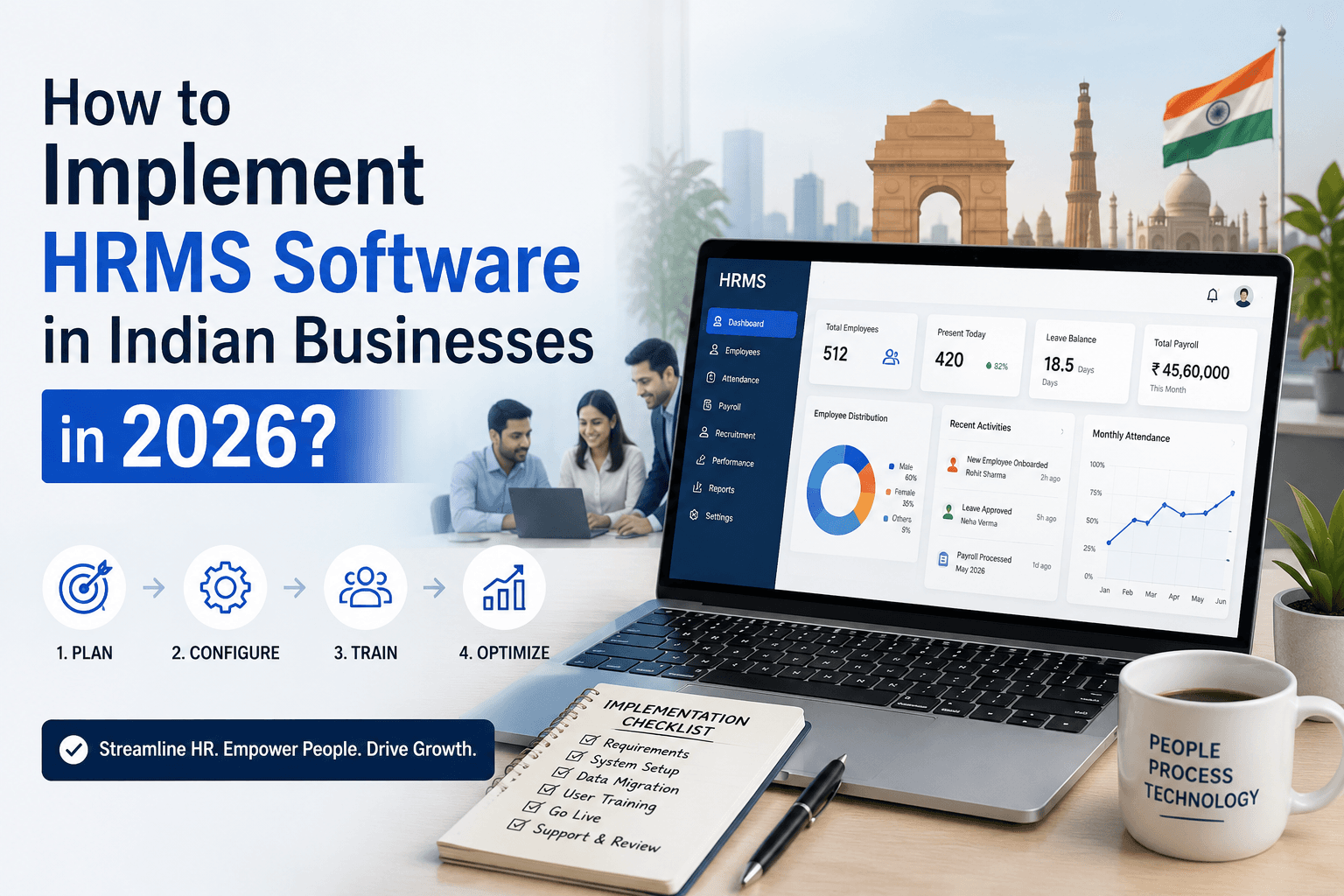
How to Implement HRMS Software in Indian Businesses in 2026?
Failing to implement HRMS? Find out how long HRMS implementation takes to automate payroll, compliance & improve employee experience. Book a demo with Human Maximizer.
5 min read
HR Strategy
Hrms implementation timeline india: Avoid the 6-Month Trap
Stop overestimating your rollout speed. Discover a realistic 12-week HRMS implementation timeline designed for Indian HR teams to ensure system...
13 min read
HR Strategy
Stop Measuring Attendance: A Guide to Outcome Velocity
Hours logged say nothing about work delivered. What outcome velocity measures, how it differs from attendance, and how to shift your metrics.
14 min read