
HR Strategy
Stop Digitizing Chaos: Why You Need HR Automation Software
Stop merely digitizing manual tasks. Discover how modern HR automation software eliminates administrative work to help your team focus on high-impact strategy.

Insha Hamid
Head of HR in Research & Content, Human Maximizer · 8 min read · · Updated
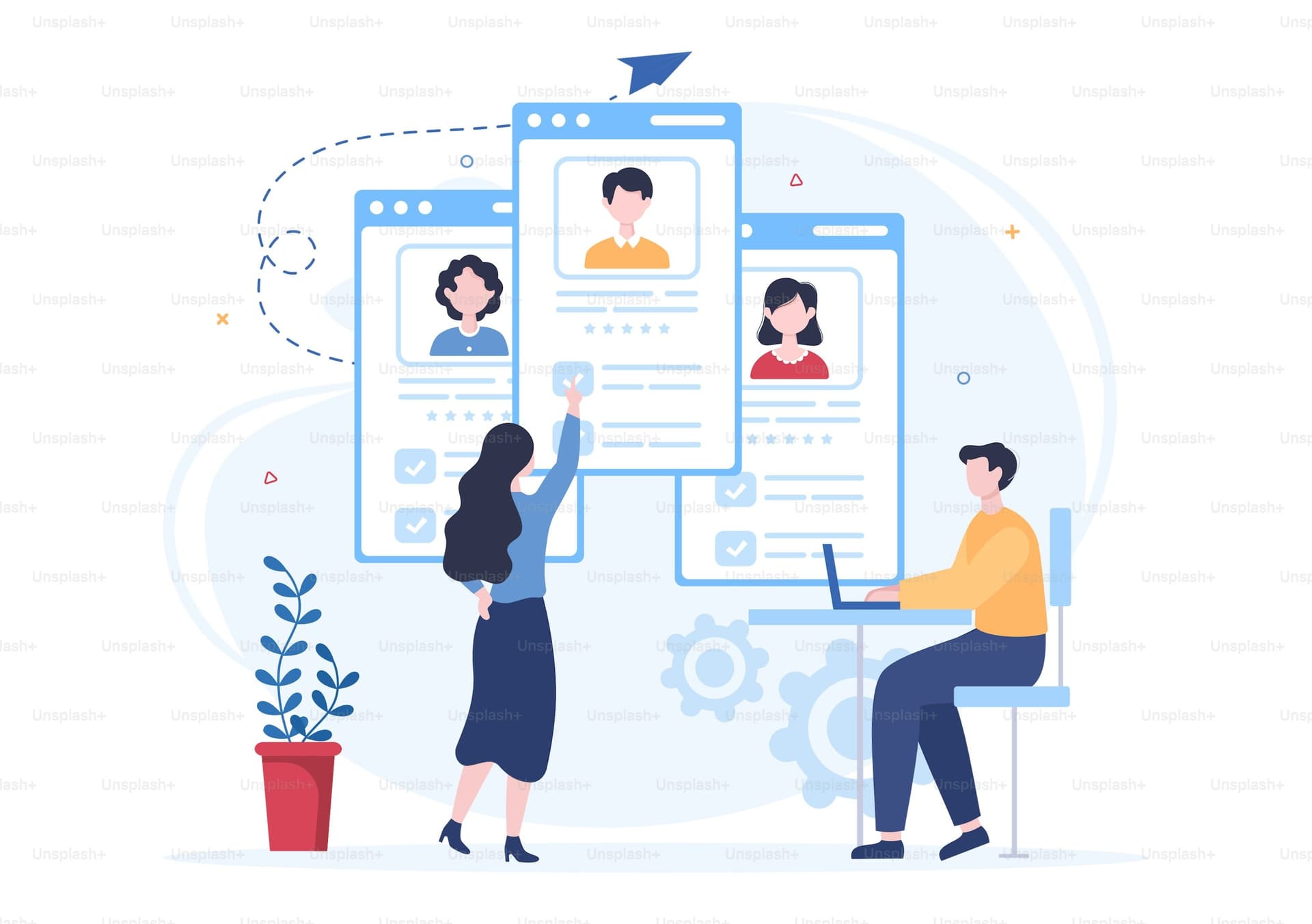
It is 10:00 AM on a Monday in a Gurugram office. Your HR manager is manually cross-referencing an Excel sheet with the EPFO portal to reconcile Provident Fund contributions. This is a task that should have vanished the moment the employee was hired.
This is the central failure of modern HR operations: we have become world-class at digitizing our own inefficiency. We take a broken, manual process—like leave tracking via email or performance reviews via disconnected spreadsheets—and move it into a digital tool. We call it "digital transformation," but we have only made the chaos easier to search.
True HR automation software builds "zero-touch" workflows that render manual administrative intervention obsolete.
The Anti-Admin Manifesto: Why Digitization is a Trap
Most HR teams are trapped in a cycle of digitized bureaucracy. You have a portal, but it requires constant manual oversight. You have a payroll system, but it needs an Excel bridge to sync attendance. At Human Maximizer, we see this pattern constantly: teams confuse digitization—converting paper to PDF—with automation—removing the need for the paper entirely.
The shift from an admin-heavy role to a strategic one is impossible if your team spends 60% of their day on data entry and query resolution. When you digitize a broken process, you are building a faster car to drive down a dead-end road. Technological transformation elevates the entire function to a human-centric approach that prioritizes culture and coaching over administrative maintenance.
Defining HR Automation: Beyond the Spreadsheet
At its core, automated HR systems execute logic-based workflows without human prompting. While a standard HRIS acts as a digital record-keeper, HR workflow software acts as an engine.
Consider a salary revision. In a digitized system, HR updates a spreadsheet, manually calculates the new tax impact, and sends a revised letter. In an automated system, the manager triggers the revision. The system recalculates the statutory deductions based on the Code on Wages, updates the payroll module, and generates the letter for the employee to sign digitally. Legacy systems required complex infrastructure maintenance, but modern cloud platforms have eliminated that burden.
The Indian Compliance Engine: Automating PF, ESI, and Labor Laws
Operating in India means navigating a complex web of statutory requirements that change with little warning. Manually tracking updates to the Code on Wages or reconciling EPF contributions is a significant risk factor.
Much of the literature on HR technology assumes a global, uniform regulatory environment. In reality, Indian HR teams must manage localized complexities like Profession Tax (PT) slabs that vary by state and the integration of ESIC contributions.
A high-quality HRMS acts as an automated compliance engine. It enforces the rule rather than just recording the data. When an employee hits a statutory threshold, the system triggers the correct deduction automatically. By embedding these rules into the workflow, you ensure that your company remains compliant by design.
The "Elimination" Framework for HR Ops
To help teams move from digitization to true automation, we use the Elimination Framework. This diagnostic tool helps you decide whether a process should be automated or killed entirely.
| Process Characteristic | Action |
|---|---|
| Requires human judgment (e.g., performance feedback, conflict resolution) | Keep this human |
| Follows a static rule (e.g., leave accrual, PF deduction, asset allocation) | Eliminate the human |
| Involves repetitive communication (e.g., "What is my balance?", "Where is my payslip?") | Eliminate the human |
If a task falls into the "Eliminate" category, it should be handled by Ticket Management or automated workflows.
Zero-Touch Workflows: From Onboarding to Exit
The most effective automation is invisible. When a new hire starts, they should not be chasing forms. With Employee Self Onboarding, the process is triggered the moment the offer letter is accepted. The system provisions the account, assigns the required documents, and alerts IT for asset allocation before the employee steps into the office.
Similarly, offboarding should be a zero-touch event. When a resignation is processed, the system triggers the full-and-final checklist. The RACI Dashboard ensures that the right stakeholders are informed, and the Asset Management module tracks what needs to be returned.
The AI Advantage: Replacing Data Entry with Decisioning
We are moving past the era where AI is used to monitor employees. Modern workforce expectations demand tools that support productivity.
We use Productivity Lens to provide managers with a view of team output via task milestones rather than keystroke counts. This is the shift from monitoring to enabling. When you remove the need for manual status updates, you replace data entry with intelligent decisioning. You can see exactly where a project is stuck and provide the support needed to move it forward.
Selecting Your Tech Stack: Features for the Modern Indian SME
When selecting HR process automation tools, avoid the trap of buying a "comprehensive" suite that is actually a collection of disconnected modules.
- Unified Data: Ensure attendance, payroll, and leave management talk to each other in real-time. If your payroll person has to export a CSV from one tool to import it into another, you are delayed.
- Mobile-First: In India, your workforce is often on the move. If a manager cannot approve a leave request from their phone, your automation is stuck at a desk.
- Configurable Rules: Indian labor laws change. Your software must allow you to update rules—like overtime calculations or leave policies—without needing to contact the vendor's support team.
If you are unsure where to start, your findings will naturally create a priority list. Start with the task that causes the most frequent, costly errors and build from there.
Measuring the ROI of Elimination
The return on investment for HR automation is found in the reduction of "ghost work"—the invisible, low-value tasks that prevent your HR team from doing their real work. When you stop chasing status updates, you gain time for talent development, culture building, and strategic hiring.
Automation is a process of constant refinement. At Human Maximizer, our pricing plans are designed to scale with your team's needs, moving from simple administration to sophisticated, automated workflows.
FAQ
How does HR automation improve workflow efficiency? Automation removes the need for manual data entry, manual approvals, and email follow-ups. By defining rules for processes like leave or attendance, the system handles the execution, leaving HR free to handle only the exceptions that require human judgment.
What features should I look for in an HRMS? Prioritize a unified platform that integrates payroll, attendance, and leave management natively. Look for strong mobile accessibility, configurable compliance rules for Indian labor laws, and self-service portals that allow employees to resolve their own queries.
How does AI impact HR digital transformation? AI shifts the focus from administrative maintenance to strategic decision-making. By using aggregated metadata to identify process bottlenecks or engagement patterns, AI helps HR teams intervene proactively rather than reacting to problems after they have already caused attrition or compliance risks.
Curious how these workflows look in your own setup? If you are ready to stop managing manual spreadsheets and start building a zero-touch HR function, let's talk.
About the Author & Reviewer
Insha Hamid — Head of HR in Research & Content, Human Maximizer
Insha Hamid heads HR research and content for Human Maximizer at Razor Infotech, covering people operations and Indian workplace compliance — translating regulatory change and workplace research into guidance HR teams can act on.
Connect on LinkedIn
Reviewed & approved by Sameer Hameed — Founder & Chairman, Razor Infotech
Sameer Hameed is the Founder & Chairman of Razor Infotech, where he is guiding the creation of Human Maximizer. An entrepreneur across technology, real estate, mining and travel, he builds organisations on clarity, trust and responsible growth — on the belief that businesses grow only when the people behind them grow.
Connect on LinkedIn
Human Maximizer is built by Razor Infotech in New Delhi, India (founded 2019). About Human Maximizer.
Keep reading

HR Strategy
Task management software: Stop Losing Billable Hours
Why confusing task tracking with project oversight drains your budget. Learn how to choose the right task management software to boost team efficiency.
9 min read
HR Strategy
Hrms implementation timeline india: Avoid the 6-Month Trap
Stop overestimating your rollout speed. Discover a realistic 12-week HRMS implementation timeline designed for Indian HR teams to ensure system...
13 min read
HR Strategy
Breaking Growth Barr: current hr software scalability issues
Overcome common tech bottlenecks as you scale. Discover how to optimize your HRMS software in India to streamline payroll, compliance, and workforce management.
12 min read