
HR Strategy
How to Onboard Remote Employees in India Without Losing Culture
A practical guide to onboarding remote employees across India, with the steps, tools, and checkpoints that protect culture in distributed teams.

Richa Thakur
Content Writer · 5 min read · · Updated
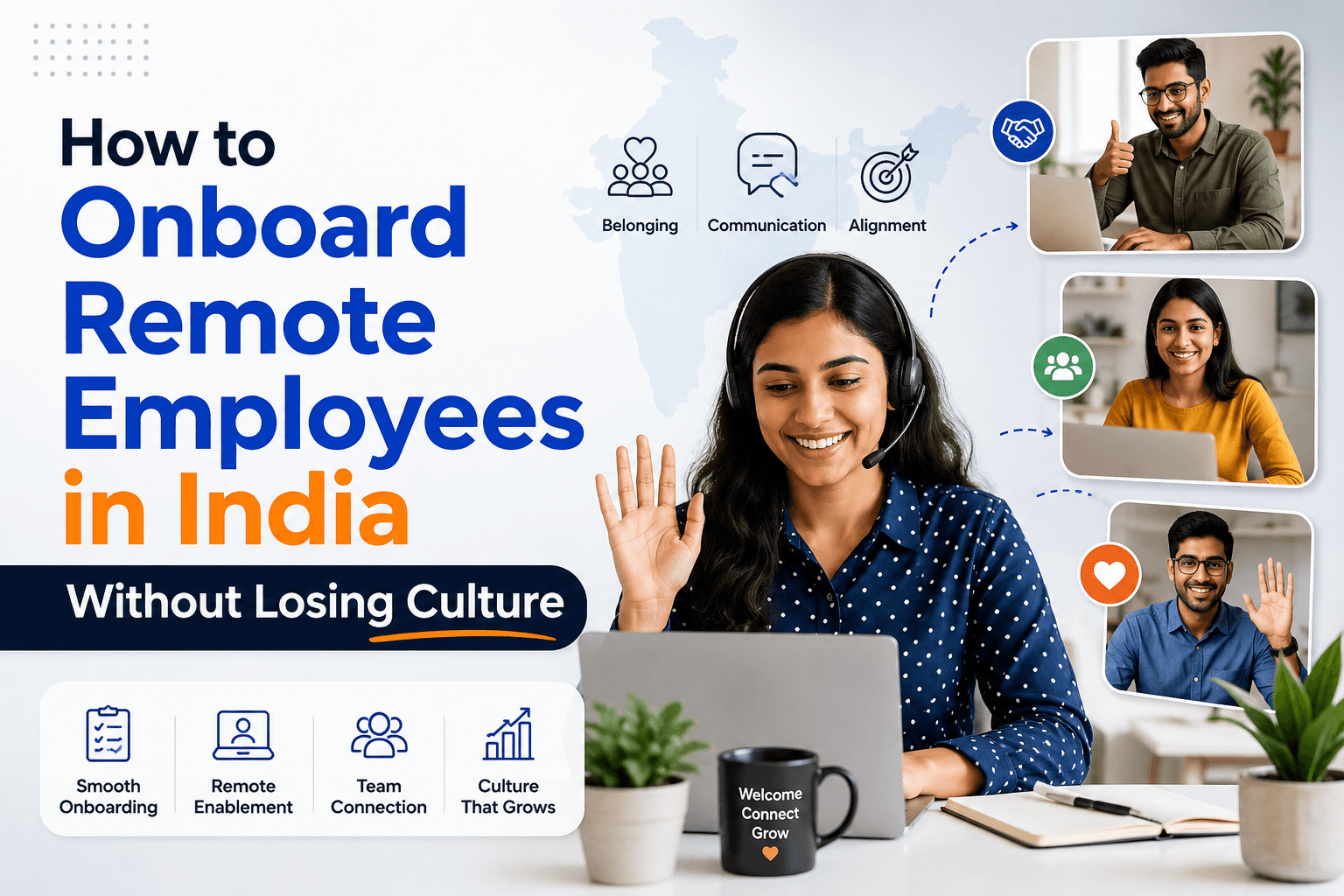
According to Brandon Hall Group research, a strong onboarding process improves new-hire retention by 82% and productivity by over 70%. In Indian organisations, this statistic now carries a different weight, because onboarding remote employees in India is no longer about welcoming someone for lunch at the Bengaluru office. It means building a workplace where all employees, onsite, hybrid, and remote, enjoy the same access, clarity, and sense of belonging.
Gallup research also shows that only 12% of employees strongly agree their organisation does a great job onboarding new hires. The gap is even sharper in India, where remote employees often complete the paperwork but never quite land in the company.
But in India, many remote employees fail quietly within the first 30 days. They remember the UAN number, complete their PF nomination, and can navigate Slack easily, but fail to remember a single team member's name or describe what the company stands for. They complete formal paperwork and documentation but fail to understand the company’s culture and vision.
This guide will highlight all the essential details that HR managers, founders, and new hires must know about the onboarding process. We’ll discuss the remote onboarding process, how it is different from traditional onboarding, how long it takes to onboard an employee, a complete checklist to onboard a new employee, and challenges to overcome from onboarding issues.
What is Remote Onboarding?
Remote onboarding is the virtual process of welcoming a new hire to integrate completely with the company’s culture, system, and workflow. It replaces the traditional in-person orientation with digital tools and allows new hires to complete paperwork, receive training, and connect with their team members anywhere in the world.
Generally, the remote onboarding process allows new hires to understand the following:
Identify their roles and responsibilities in a company
Receive training about the online platforms that they will use
Understand the company’s culture, values, and protocols.
Feel motivated and welcomed
Traditional Onboarding vs Remote Onboarding
The main difference between traditional and remote onboarding lies in the location of interaction. Traditional onboarding includes face-to-face, live interaction, and physical paperwork within the office location. Whereas the remote onboarding utilises digital tools, communication platforms, and channels to integrate new hires.
Let’s understand the fundamental difference between traditional onboarding and remote onboarding in a table format:
Category
Traditional Onboarding
Remote Onboarding
Location
On-site in a physical office address
Geographically distributed anywhere in the world (home, co-worker space, cafe, library)
Communication
In-person, hallway chats, induction
Scheduled video calls, chats, emails (Google Chat, Slack)
Logistics
Physical paperwork, onsite IT setup, and office tours
E-signatures, shipped equipment, and virtual portal walkthroughs.
Culture Building
Fun activities, physical gatherings, and parties
Virtual coffee sessions, discussions, and feedback sessions
Flexibility
Rigid daily office hours
Often features more self-paced learning
Difference Between Virtual and Remote Onboarding
Virtual and remote onboarding are often used interchangeably, but there are subtle distinctions. Remote onboarding refers to the environment in which the new hire works outside the office, anywhere in the world. Virtual onboarding refers to the digital method that uses communication channels and technology to complete the onboarding process. It uses online portals and digital channels to integrate the new hire into the company's workflow, regardless of where they are working from.
Suppose a new employee, Priya, joins a company. On the remote side, the IT team ships a laptop, headset, and VoIP phone to her home in Pune; she receives login credentials for the ticketing system, VPN, and Slack; HR emails her the digital tax forms. That is remote onboarding, the logistics of working away from an office.
Virtually, Priya joins her first standup over Zoom, gets paired with a buddy on Slack, attends a recorded culture session, and has a coffee chat scheduled with her skip-level manager. That is virtual onboarding, the digital methods used to replace hallway conversations, lunch breaks, and unspoken norms.
How long should remote onboarding take?
The remote onboarding process may take 30-90 days to fully integrate the new hire into the company culture, vision, and goals. The first stage is usually a technical setup that ends in a few days, but making an employee feel connected and engaged with the team members takes longer than expected. It helps in ensuring long-term engagement, productivity, and promoting a healthy work-life culture.
The Typical Timeline: Pre-boarding to 90 Days
The remote onboarding process is generally categorised into four phases:
Pre-Boarding: This phase starts 1-2 weeks before the start date. It ships hardware, ensures software licensing access, and completes digital paperwork. It helps to ensure the new hire is ready from the first day.
Orientation and Welcome: This is the second phase, usually running from day 1 to day 5. The HR team introduces new hires to the team members, sets up IT, clearly outlines organisational expectations, and schedules a manager check-in.
Skill Building and Role Integration: It comprises 1-3 initial months and the transition of employees into 30-60-90 days. It focuses on knowledge absorption, understanding business requirements, core tools, and regular feedback.
Long-Term Integration: This phase goes up to 6 months and consists of core activities like regular mentorship and check-ins. Remote workers miss in-person talks and socialisation, and extending the passive onboarding strengthens the alignment with the company’s culture and engagement with seniors and team members.
Why Indian Companies Should Plan for 90 Days, Not 30
In India, organisations should plan an onboarding process for 90 days, as 30-day programs fail to address the realities of local hirings. A 30-60-90-day onboarding plan for remote employees reduces the employee attrition rate. Here are five reasons 90 days works better than 30 in the Indian context:
Long notice periods distort the first 30 days: Most Indian hires serve 60-90 day notice periods, which means their first month is often spent mentally closing out the previous job. Real engagement typically begins in month two.
Joining gaps and delayed start dates are common: Family events, relocation, festivals, and last-minute counter-offers from previous employers often disrupt the early weeks. A 90-day window absorbs these realities without writing off the hire.
Compliance paperwork takes longer to settle: PF transfers via UAN, prior-employer Form 16 collection, and TDS declarations rarely close within 30 days. Extending onboarding to 90 days keeps payroll and statutory filings clean.
Cultural integration needs more touchpoints in distributed teams: A new hire in Indore working with a team spread across Bengaluru, Pune, and Gurgaon needs a structured connection over weeks, not a single welcome call. 90 days gives managers enough check-ins to actually build trust.
Probation cycles in India are built around 90 days: Most Indian employment contracts already define a 3-month probation. Aligning onboarding milestones to that timeline gives both sides a fair, structured evaluation point.
How do you onboard a remote employee in India?
The best practices for onboarding remote employees should be structured, compliant, and highly communicative virtual processes. It bridges the physical gap to ensure new employees feel legally integrated, culturally welcomed, and functionally equipped to succeed from day one. Here is the step-by-step remote onboarding process for Indian companies to reduce attrition.
Phase 1: Pre-Boarding (Offer Acceptance to Day Zero)
This phase ensures that all the statutory paperwork is completed and removes the anxiety of what is coming next:
Enables the employees to submit local identification documents such as PAN card, Aadhaar Card, and UAN for PF portability securely to HR portals.
Setting up IT and providing essential equipment, such as pre-installing enterprise software, VPNs, and antivirus software.
Send a welcome kit (brand’s notebook, cup, laptop, and stationery items) to build an early connection.
Assign an onboarding buddy from the same team to help new hires to understand the core values of the company and rules beforehand.
Phase 2: Day one Virtual Setup
The first day ensures an organised and structured organisational setup for business operations:
HR teams conduct a virtual meeting, a 30-minute tech checkup to ensure a strong wi-fi connection, VPN, and essential access (Slack, Microsoft Teams) are working smoothly.
Introduce the new employee to the company rules, working hours and flexibility policies, leave policies, and code of conduct.
A one-on-one meeting with hiring managers ensures that employees receive proper information, one week work agenda, and communication norms.
Phase 3: Week One Setup and Orientation
This week transitions the new employee from administrative tasks to understanding the company's working procedures:
Schedule dedicated sessions or provide video guides on how to use internal platforms like Asana, Jira, and Zoho.
Introduce the company’s vision, mission, and core values to set expectations.
Encourage new employees to set up informal virtual coffee chats with managers and cross-functional teams.
Phase 4: First Month (Understanding Roles & Responsibilities)
This phase generally shifts focus from orientation to delivering productivity for business innovation.
To build a cadence of operational workflow, assign small tasks such as reviewing a document, setting up a database, and coding.
The manager should conduct 1:1 meetings weekly, clear all doubts, provide a work structure, a deadline, and provide feedback.
Ensure the HR team uses your HRMS to finalise document verification, tax declarations, and banking details before the first payroll cycle.
Phase 5: 30-60-90 Day Program
This phase decides whether an employee will integrate for the long term, develop autonomy, and receive a fair evaluation.
Create a 30-60-90 performance roadmap to set goals, measure productivity, and align with business priorities.
The new hire should take on independent projects and lead operations as per their expertise.
Maintain regular check-ins and highlight and fix the issue by collaborating with the team members.
Conduct a 90-day probation review to discuss career growth and integrate the new hire into long-term projects.
What documents are needed to onboard a remote employee in India?
To onboard a new remote employee in India, organisations require specific identification, tax, and statutory documents. Employers must collect a PAN card for tax deductions, an Aadhaar Card for PF (Provident Fund) enrollment, along with personal and bank details for payroll processing.
Employees can submit the following documents through digital platforms for a remote onboarding process in India:
PAN Card
Aadhaar Card
Alternative ID Proof ( Driving License, Voter ID)
Bank Account Details
Personal Details ( Residential Address, Name, Birth details)
Educational Certificates
Previous Employment Documents (Relieving Letter, Payslip, Form 16)
Tax Declarations
The 30-60-90 Day Plan for Remote Employees
A 30-60-90-day plan for remote employees is a list of structured goals to transition new hires from learning, executing, and implementing skills in long-term projects. It prevents isolation in teamwork by setting up clear goals, measurable outcomes, and deadlines within an organisation.
Day 1-30: Learning Period (Context, Tools, Team)
The first 30 days are for learning new skills, understanding the core company values, features, and business requirements.
Get access to tools and equipment, review company handbooks, e-guides, product tours, demos, and tutorial videos.
Collaborate with managers to set key performance indicators (KPIs) and set up goals for the next two months.
Day 31-60: Contribute First Deliveries
The next 30 days will decide whether you’re a right fit for the long-term projects and responsibilities.
Apply your skills and learnings over 30 days and contribute to the projects, take ownership of core activities.
Actively participate in meetings, clear doubts, and communicate confidently.
Get additional skills and learn from co-workers and seniors.
Days 61-90: Independent Outcomes
Feel confident in your capabilities to handle multiple projects and take accountability for the core operational tasks.
Meet with the senior and set measurable goals and work continuously to achieve them.
Regularly contribute ideas and update your projects with the required expectations and demands.
What Are the Biggest Challenges of Onboarding Remote Employees in India?
Onboarding remote employees in India is one of the challenging tasks for organisations due to infrastructure disparities (power cut, weak internet connectivity), regional complexities related to payroll and compliance, and integrating new hires into company cultures in a multilingual team. Below are the most common challenges Indian organisations face when onboarding remote employees:
Infrastructure Inconsistency: Metropolitan cities like New Delhi and Bengaluru have excellent connectivity, while tier 2 and tier 3 cities still face frequent power cuts and unreliable broadband. It affects communication flow and operational workflow.
Complex Compliance Requirements: India has multi-layered labour laws covering PF, ESI, and TDS. Processing legal and compliance paperwork through digital portals can be critical among distributed remote teams.
Cultural & Linguistic Barriers: In a diverse country like India, language is a common barrier and can cause miscommunication in the administrative workflow.
Hardware and Logistics: Shipping welcome kits, laptops, dongles, and security hardware across multiple geographical locations can delay the new hire's first-day experience.
Isolation and Belonging: With the remote work model, promoting a cohesive environment for employees is difficult. New hires may struggle to build a working relationship with distant colleagues.
How do you build culture in a remote team?
To create a smooth company culture in remote teams, set up intentional, structured efforts rather than unplanned, casual office interactions. Prioritise a connection, promote psychological safety, and ensure clear communication among team members.
Build Trust & Autonomy: Measure success based on outcomes rather than working hours. Promote an open environment where employees can share their opinions without fear of judgment.
Create Casual Connections: Dedicate a special chat channel, online games, and structured drop-in channels where employees can socialise freely.
Set Consistent Platforms: Centralise important company decisions, processes, and updates in a shared knowledge base for everyone.
Celebrate Success & Recognition: Acknowledge individuals’ contributions and hard work in the dedicated shout-out channels.
Final Thoughts
Remote employees' onboarding practices fail more often due to a weak foundation rather than ideas. The main aim of successful onboarding is to rebuild a culture at your workplace and engage employees across different locations in a centralised place. Create virtual hangout meetings, share feedback, and promote non-work communication channels for team interactions.
If you’re struggling with paper-based onboarding with remote teams and scattered employee data, try Human Maximizer to complete onboarding digitally by filling forms, uploading documents, and submitting details in a centralized place. Sync your attendance, leave, and performance data automatically into payroll without manual data entry.
Frequently Asked Questions
How do you make a remote employee feel welcome on the first day?
You can make an employee feel welcomed by bridging the physical gap with clear communication, thoughtful preparation, and community building. The key steps include sending the necessary equipment, pairing them with a peer buddy, and hosting informal video sessions and meetings to establish a healthy relationship.
Is remote onboarding effective for new hires?
Yes, remote onboarding is effective for new hires when structured properly. It accelerates time-to-productivity and improves retention rate.
What is the role of a manager in remote onboarding?
In remote onboarding, the manager acts as a primary bridge between employees, new hires, and the organisation. Their core responsibilities include providing necessary hardware and software equipment, setting up clear expectations, fostering team connections to prevent isolation, and building an engaging and collaborative remote employee community.
Do remote employees in India need to come to the office for onboarding?
No, remote employees are not required to come to the office to complete the onboarding process. The initial process of accepting the offer, sending important equipment, a welcome kit, and introducing to the company values, rules, and team members is handled digitally.
How do startups in India handle remote onboarding?
Startups in India handle remote onboarding by prioritising digital platforms, pre-configured hardware delivery, and structured cultural integration. They typically combine a centralised knowledge base, async communication tools, and structured cultural touchpoints to engage employees from day one.
How often should HR check in with a new remote employee?
HR should check in with remote employees weekly during the first month, then bi-weekly through day 60, and once at day 90. It is because remote employees often miss essential interactions, casual meetings, and frequent check-ins, which can create frustration and isolation for them.
Keep reading

Compliance
30 60 90 day onboarding plan
How to build a 30-60-90 day onboarding plan that accelerates revenue velocity. Learn to structure new hire goals for faster performance and retention.
17 min read
Employee Engagement
Employee self onboarding
How to streamline your hiring process with employee self-onboarding software. Learn to automate documentation and improve new hire...
14 min read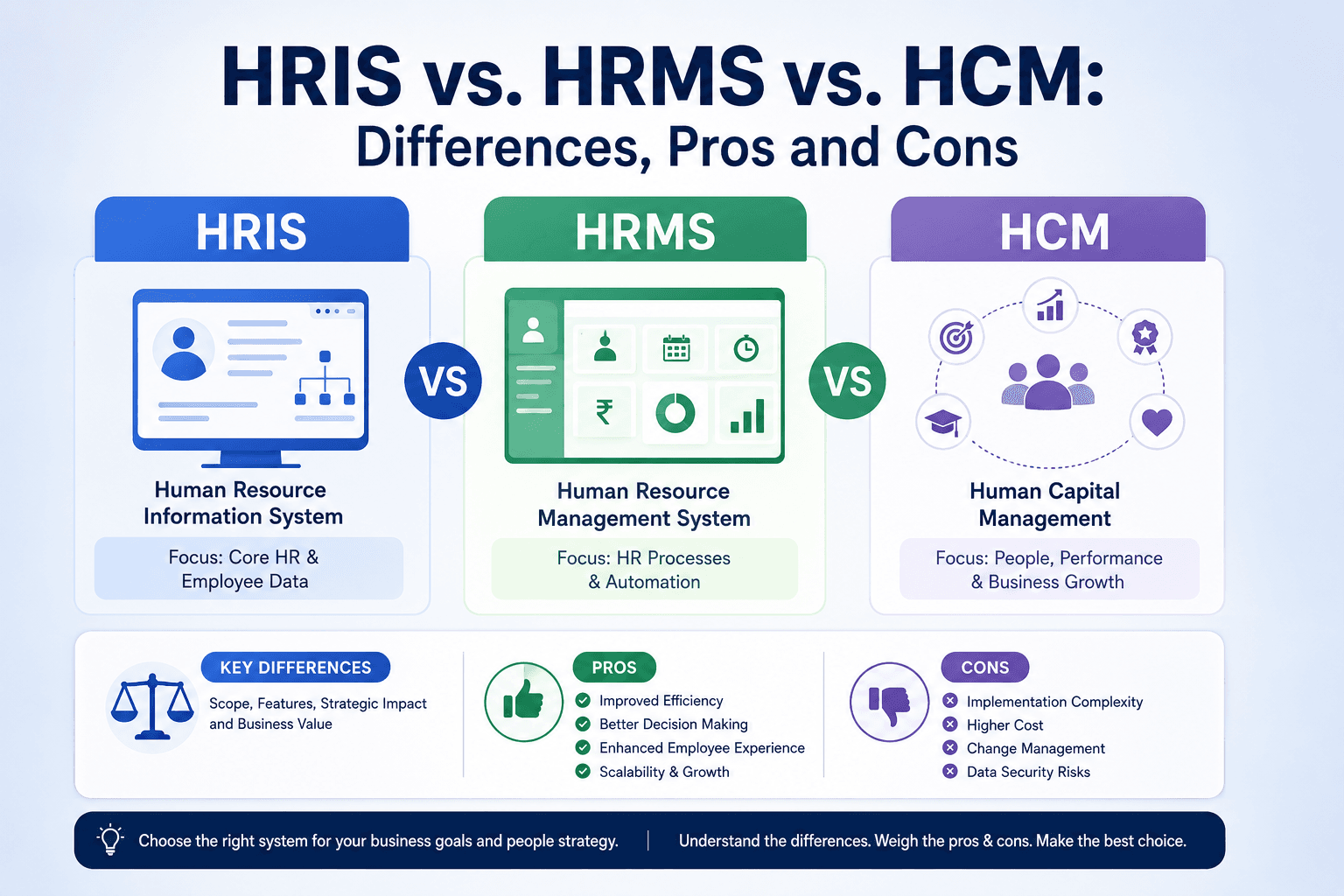
HR Strategy
What are the Differences Between HRIS, HRMS & HCM?
Understand the core differences between HRIS, HRMS and HCM, including their pros and cons. HRIS is commonly used for basic data management, HRMS automates HR tasks, whereas HCM supports the strategic planning within an organisation.
5 min read